
Categories
Central Maui, HawaiiInvestmentProperty, Hawaii Real Estate Taxes & Regulations, Maui Real Estate – Buyer Resources, Maui Real Estate, Maui ResidentialPublished November 27, 2025
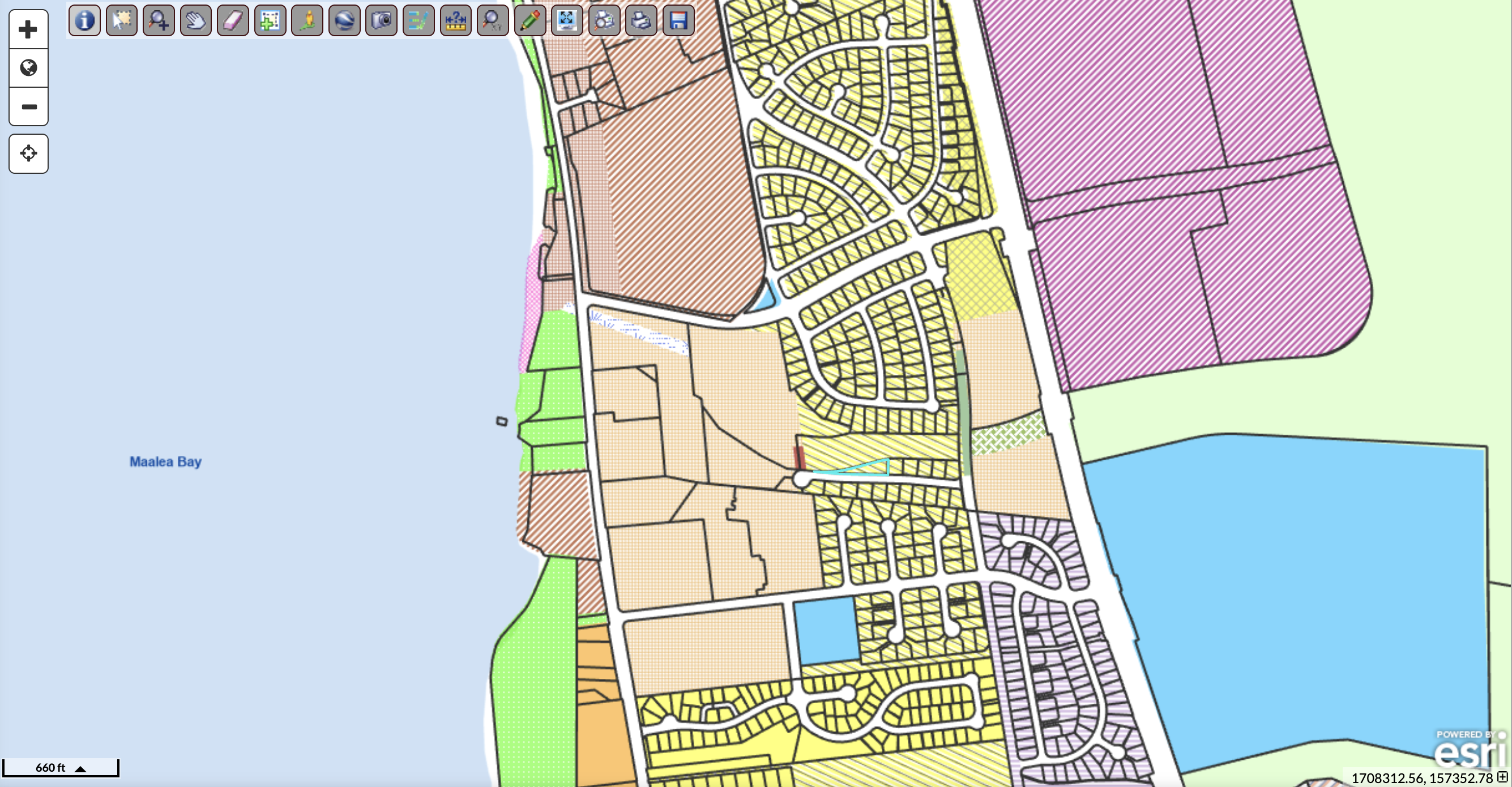
How Setbacks and Zoning Influence Home Usability on Maui

How Setbacks and Zoning Influence Home Usability on Maui
Do zoning rules and setbacks influence how a Maui property can be used?
Yes — and understanding them is essential for making confident real estate decisions. Setbacks determine where structures can be built on a lot, while zoning regulates what types of buildings and uses are permitted. These rules directly affect expansion potential, privacy, outdoor living options, and long-term property planning. According to REALTOR® Benjamin Finnerty, knowing how setbacks and zoning interact helps buyers evaluate both current usability and future possibilities.
They define what you can build, where you can build it, and how a property can evolve over time. Setbacks protect spacing between homes, while zoning ensures land is used appropriately for its designated purpose.
What Are Setbacks?
Setbacks are minimum distance requirements from property lines. They apply to:
- Homes
- Garages
- Accessory structures
- Pools
- Sheds
- ADUs or ohanas (where permitted)
These rules ensure adequate spacing, emergency access, and neighborhood consistency.
Typical Setback Considerations Include:
- Front-yard setbacks (distance from the road)
- Side-yard setbacks
- Rear-yard setbacks
- Height and roofline limits
- Setback variations for corner lots or irregular lots
Each subdivision or zone may have its own specific measurements.
How Zoning Shapes Property Use on Maui
Residential (R) Zones
Residential zones typically define:
- How many dwellings are allowed
- Rules for ADUs (when applicable)
- Building height limits
- Lot coverage percentages
Many neighborhoods in Kīhei, Wailuku, and Upcountry fall within these categories.
Apartment (A) Zones
Apartment zoning can allow:
- Multi-unit buildings
- Condominiums
- Higher density (with approvals)
Buyers often see this in pockets of South Maui and Central Maui.
Agricultural (AG) Zones
AG zones — common in Kula, Makawao, and Haʻikū — may allow:
- Farm dwellings
- Agricultural structures
- Larger lots
- Specific land-use requirements
These come with their own rules regarding usage and building placement.
Rural (RU) Zones
Rural designations support a blend of residential and agricultural uses. They allow greater flexibility than residential zones but with more restrictions than full agricultural zoning.
Why Setbacks Matter for Daily Living
Setbacks influence:
- Backyard size
- Privacy between homes
- Where lanais and patios can be placed
- Potential for gardening, pools, or hot tubs
- Parking layout and garage placement
They help define how much usable outdoor space a property actually has.
Why Zoning Matters for Long-Term Planning
Zoning affects:
- Future expansion
- Ability to build an ohana or ADU
- Placement of sheds, workshops, or studios
- Potential resale flexibility
- Neighborhood character and density
Understanding zoning helps buyers avoid surprises and choose properties that align with their goals.
How Setbacks and Zoning Influence Property Value
Properties with flexible zoning and generous setbacks often appeal to buyers seeking:
- Space for upgrades
- Privacy
- Room to grow
- Lifestyle customization
Meanwhile, properties with restrictive zoning or tight setbacks may still be valuable but require clear expectations.
Benjamin Finnerty, REALTOR® – The 808 Team, Keller Williams Realty Maui
📞 Click to Call
📧 benjamin@the808team.com
🌐 Visit My Website

The 808 Team Maui
| The 808 Team | Keller Williams Realty Maui
or another way