Published August 28, 2024
Safe Traveling on Maui: Tips for a Secure and Enjoyable Vacation

Written by The 808 Team Maui
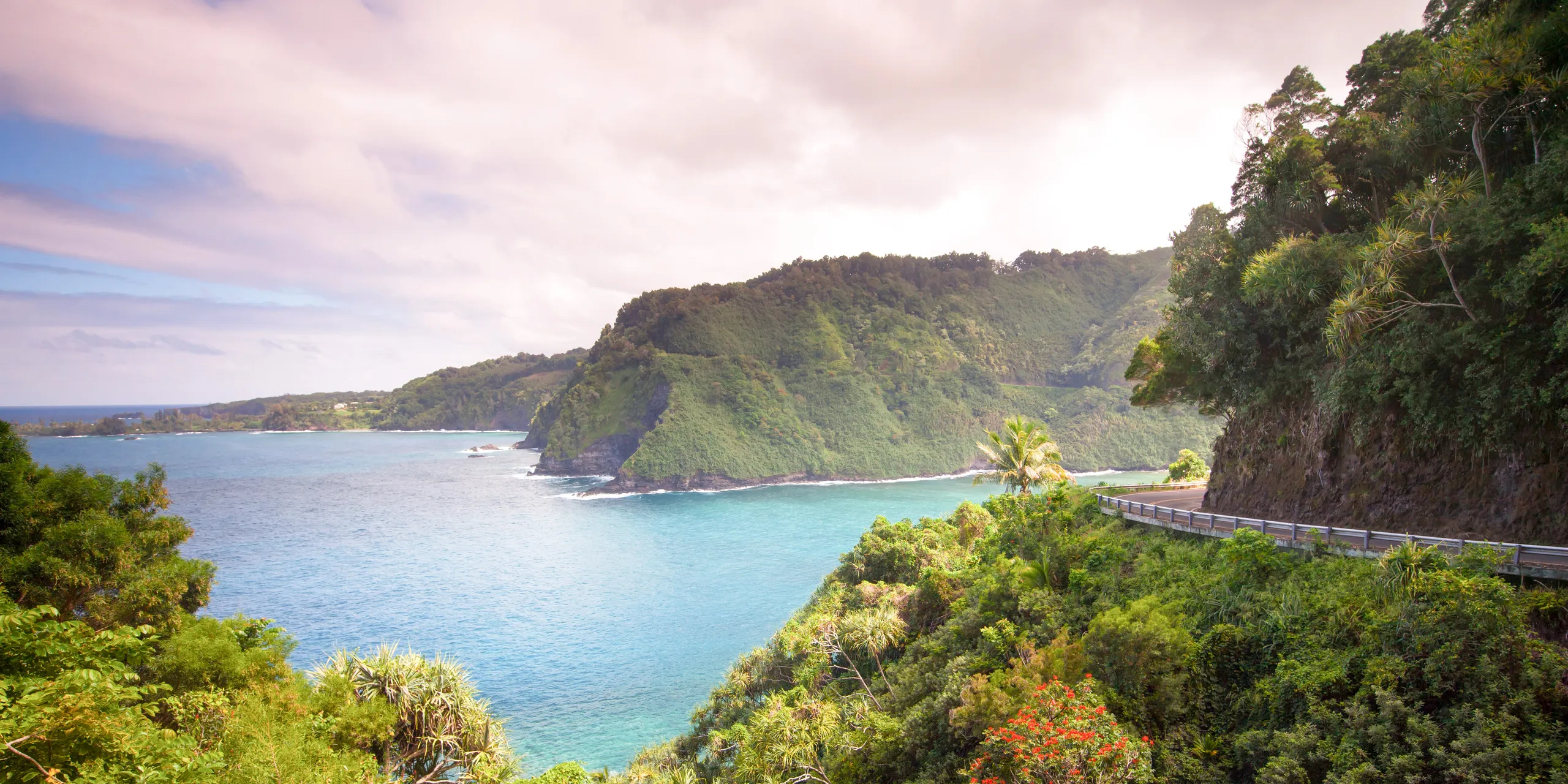
To ensure your trip to this tropical paradise is as safe as it is memorable, it's important to follow some key safety tips. Here’s a comprehensive guide to help you travel safely on Maui.
1. Plan Ahead and Stay Informed
Research Local Guidelines: Before you travel, check for any travel advisories or local regulations. The Hawaii Tourism Authority and local news outlets are good sources for the latest information, especially concerning health guidelines or natural events.
Know the Weather: Maui’s weather varies significantly between regions. For example, the eastern side around Hana is wetter, while the western side near Lahaina is drier. Check weather forecasts regularly and be prepared for sudden changes, especially if you plan outdoor activities.
Travel Insurance: Consider purchasing travel insurance that covers health emergencies, trip cancellations, and unexpected events.
2. Stay Safe on the Roads
Rent a Reliable Vehicle: Choose a vehicle that suits your itinerary. A four-wheel-drive vehicle is beneficial for exploring areas like the road to Hana or Haleakal? National Park.
Road Conditions: Maui’s roads can be narrow, winding, and steep. Drive cautiously, especially on unfamiliar routes. The road to Hana, known for its sharp curves and single-lane bridges, requires extra attention and patience.
Speed Limits and Road Signs: Adhere to speed limits and pay close attention to road signs. In residential and school areas, be extra vigilant.
Parking: Only park in designated areas. Illegal parking can result in fines or towing. Some popular spots, like Waianapanapa State Park, require reservations for entry and parking.
Watch for Pedestrians and Cyclists: Be especially careful in busy towns like Lahaina and Kihei, where there are many pedestrians and cyclists.
3. Respect the Ocean
Check Ocean Conditions: Ocean conditions can change rapidly. Check local reports and heed any posted warnings about strong currents, high surf, or jellyfish.
Swim at Lifeguarded Beaches: Beaches like Kaanapali, Wailea, and Makena have lifeguards on duty. They provide an extra layer of safety, especially if you’re not a strong swimmer.
Snorkeling Safety: When snorkeling, go with a buddy, wear a flotation device, and avoid touching marine life. Popular snorkeling spots include Molokini Crater and Honolua Bay.
Body Boarding & Surfing: If you arent familiar or experienced at this sport its important to know the beaches you are at. Stay clear of Big Beach with little to no experience. The waves can grow fast and slam you quickly into the sand causing injuries.
Use Reef-Safe Sunscreen: Protect Maui’s coral reefs by using sunscreens that are free of oxybenzone and octinoxate. These chemicals are harmful to marine life.
4. Stay Hydrated and Protected from the Sun
Drink Plenty of Water: Dehydration is a risk, especially with the island's warm climate. Carry a refillable water bottle and drink regularly, particularly during outdoor activities.
Wear Sunscreen and Protective Clothing: Apply sunscreen with an SPF of at least 30, wear hats, sunglasses, and light, breathable clothing to protect against sunburn. Reapply sunscreen every two hours or after swimming.
5. Hiking Safety
Stay on Marked Trails: Maui offers numerous hiking trails, from the lush paths of Iao Valley to the crater trails in Haleakal? National Park. Stay on marked trails to avoid getting lost and to protect the environment.
Inform Someone of Your Plans: Let someone know your hiking route and expected return time. Cell service can be spotty in remote areas.
Carry Essentials: Bring enough water, snacks, a map, a first aid kit, and a fully charged phone. Wearing sturdy shoes and appropriate clothing is also crucial.
Respect Nature: Do not disturb wildlife or plants. Follow the Leave No Trace principles to minimize your impact on the environment.
6. Respect Local Wildlife and Nature
Observe Wildlife from a Distance: Maui is home to a variety of wildlife, including humpback whales, sea turtles, and monk seals. Observe these animals from a distance to avoid disturbing them.
Do Not Feed Animals: Feeding wildlife can harm them and disrupt their natural behavior.
Leave No Trace: Pack out all trash, stay on designated trails, and avoid picking plants or flowers. Maui’s ecosystem is fragile and needs to be preserved for future generations.
7. Be Aware of Your Surroundings
Secure Your Valuables: Do not leave valuables in your car or unattended on the beach. Use hotel safes for important items like passports and extra cash.
Be Cautious at Night: Stick to well-lit and populated areas after dark. Avoid walking alone in secluded areas.
Personal Safety: Trust your instincts. If something doesn’t feel right, remove yourself from the situation.
8. Emergency Contacts
Emergency Services: Dial 911 for police, fire, or medical emergencies. Be aware of your location to provide accurate information.
Local Health Facilities: Know the locations of the nearest hospitals or clinics. Maui Memorial Medical Center in Wailuku is the island’s main hospital.
Travel Assistance: If you have travel insurance, keep your policy details and emergency contact numbers handy.