
Categories
Luxury Maui Properties, Luxury Real Estate, MauiHomesForSale, Maui Real EstateFreight Trains: The Fastest Wave You’ve Probably Heard Of—Ma‘alaea’s Liquid Bullet Train
There are surf spots, and then there are legends. Freight Trains, in Ma‘alaea Bay on Maui, is one of those places that lives at the edge of myth—and when conditions align, it absolutely earns the hype. If you’re chasing speed, power, hollow barrels, and rarity all in one, Freight Trains is your wave. But visiting it is as much about patience, respect, and timing as skill.
Where It Is, What It Is
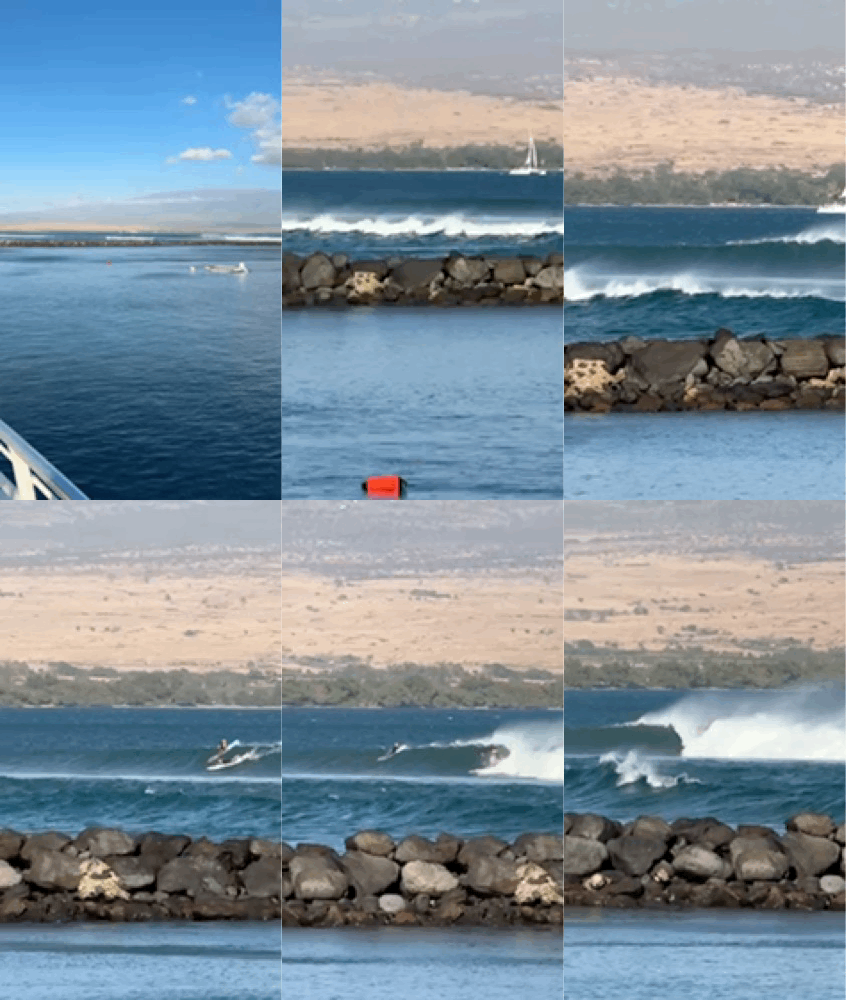
Freight Trains—also known simply as Ma‘alaea, or sometimes Ma‘alaea Pipeline—is a right‑hand reef break located adjacent to Ma‘alaea Harbor, along the very exposed, reef‑and‑lava‑bottom coastline. It sits in Ma‘alaea Bay, on Maui’s southern shore.
Interestingly, there’s not even a beach in front of the wave. Instead, the break flanks a harbor wall and reef structure, in front of condos and resorts and a single family home that is currently for sale at at $7.9 million which is $1.4 million below recently appraised value. That harbor stone wall plays a big part in shaping how the wave breaks.
Access-wise: you can park near the Maui Ocean Center, and then there’s a short walk (5‑15 minutes) to the east side of the boat harbor to reach the lineup. Public access is allowed, please pay for parking per the signage at the parking lot.
Why It’s Called “Freight Trains”
The name doesn’t just come from its look or entrance—it comes from how it feels. This swell is primarily a right; the face of the wave is steep—super steep take‑offs, then barrels and sections that snap, zoom, and power forward like a locomotive. It’s heavy and it’s fast. Surfers and scientists alike describe the wave ripping across the reef with velocity rarely seen elsewhere in a rideable reef break.
A few details contribute to the speed and hollowness:
-
The bathymetry (reef structure beneath the water) transitions sharply from deeper water to very shallow reef, which compresses the wave, causing steep faces and fastdowns.
-
The external harbor wall helps “groom” the break, influencing how the swell wraps or re‑frames as it comes in.
-
Offshore (northern) winds tend to clean up the face—but there’s a tricky balance: too much wind, or wind of the wrong angle, and the wave loses its shape.
Conditions: When It’s On, and When It’s Not
Here’s where Freight Trains becomes more myth than guarantee. It rarely fires. When it does, though, it’s spectacular.
Some of the key ingredients:
-
Swell Direction & Size
Freight Trains works best with large south‑to‑southwest swells. These are often generated far away in the Southern Hemisphere, traveling across the open ocean, picking up power before reaching Maui. These swells need to be long‑period—meaning a longer time between wave crests—to maintain energy through reef and bottom interaction and when the freight train is barreling, the rest of south facing Maui is very big as well. -
Tide
Medium or low tide tends to give the best exposure of the reef, enabling sharper, hollow breaks. If the tide is too high, the reef may be submerged too much, dulling the wave or making it less hollow. Mid tide is probably ideal. -
Wind
Clean offshore wind from the north‐northwest helps the face hold together. Too much wind, or onshore or cross shore wind, and the face can crumble, the barrel collapses, or the wave loses that speed and hollow section. Ma‘alaea is one of the windiest harbors on earth, so it's likely the wind will be there when you are. -
Swell Period
Longer‐period swells are best and optimal are 18-22 second interval or more, and give the wave momentum, allowing it to “train” across the reef, maintaining speed and perfect barrel shape. Shorter period swells may dissipate too much or break prematurely. When -
Beach / Reef Bottom & Harbor Effects
The reef itself is sharp and unforgiving. The abrupt underwater topography helps kick the wave up quickly, and the Maui coral is legendary in it's danger and waves created. Meanwhile, currents and other underwater bathymetric features influenced by the harbor and reef contribute to how the swell transforms as it reaches shallow water.
Because of all this, Freight Trains is fickle. Only on a handful of days each year do all the variables align. On those days, you’ll see surfers or surf‐watchers scrambling from around the island, and the lineup fills fast.
What It’s Like to Surf / What to Know
If you get to surf Freight Trains, here’s what you can expect—and what you must respect:
-
Takeoff and hold‑down risk: The takeoff is steep and critical. If you’re late it's rough. Held under by multiple waves is not unlikely. The reef is shallow and unforgiving. Wipeouts can be serious. If you are not 100% confident, try a few swell's from the shore and decide after.
-
Wave length: On a good day, when the wave is firing hard, the ride can run anywhere from about approx. 140‑280 meters of barreling, fast, and hollow ride. That’s long for a reef, especially one so steep, and why some of the best surfers on earth clam it as the best wave on earth.
-
Board choices: Something that is nimble but with enough drive. Many surfers favor shorter, performance shortboards that can be paddled fast into the wave, yet hold in hollow sections. Thick boards may slow you; too thin and you're risking control and safety. Most important is that you have the skillset to be ther.
-
Crowds and local respect: On the rare days Freight Trains is working, expect a crowd. Locals know when forecasts are lit, and surfers from all over head in. Etiquette, patience, and respect are essential. Don’t drop in on others. Respect the reef and your fellow surfers. Know your exit.
-
Safety: Sharp coral reef means cuts, scrapes are likely. Hold‑downs and force from outer sections can be dangerous. Watch out for currents, unexpected sets. And never underestimate the force of a hollow section that closes out. People have died here
Notable Moments & Surf Culture
Freight Trains has garnered its reputation not just through anecdote but through legendary days that are talked about for years.
-
One recent swell in 2022, called Code Red II, was widely regarded as one of the best in decades, perhaps since before the 1990's— the best Ma‘alaea had seen. That singular swell in that season presented conditions that hadn’t been matched in ages.
-
Historically, before modern board designs, surf at Ma‘alaea was mostly longboard. But with the shortboard revolution, surfers could finally harness the speed and steepness of Freight Trains in a way that longboards could not, which pushed the wave into the legendary status people recognize today.
-
Surfer names associated with Ma‘alaea are many: locals and legends alike. Riders who’ve cut their teeth on Ma‘alaea’s freight train sections include many in Maui’s surf community; each swell day adds to that communal lore, and with YouTube showing us every time, we will likely never miss another swell there.
When to Go and Planning Tips
If you want to maximize your chances of seeing Freight Trains at its best (or maybe even surfing it), here are some suggestions:
-
Seasons & weather windows: Pretty much May and June are the best months when South/southwest swells are more common. This is usually in Maui’s summertime or in transitional seasons when Southern Hemisphere storms generate large swells. But predicting exact windows is difficult—swell must be large, period long, and the winds favorable.
-
Forecasting tools: Use surf forecast sites that show wind, period, direction, and swell height. Monitor weather systems in the south Pacific. Watch for “chart alerts” of large southern swells, especially those with long period.
-
Tide chart & daylight timing: Aim for medium to low tides and daylight hours so you can see the reef, see the wave approaching, and pick a safe line.
-
Gear: Bring multiple boards if possible. A performance shortboard with snap and drive, possibly a backup for backup in case conditions change. Reef booties might help for entry/exit over sharp rock (depending on access). Wetsuit or rash guard to protect skin.
-
Local intel: Talk with locals. Surf shops, local surfers, photographers often know when Freight Trains looks promising. Sometimes the swell and forecast look good on paper but the combination—wind direction, tide, reef exposure—won’t come together.
The Conservation & Cultural Side
Freight Trains isn’t just a surf spot; it’s part of Maui’s coastal identity, marine ecosystem, and community heritage.
-
There have been proposals over the years to expand Ma‘alaea Harbor’s breakwater, which would have severely affected, or even destroyed, the reef structure that helps form this wave. This would be detrimental to the surf there.
-
In 2012, after long activism and environmental review, the project to extend the breakwater was abandoned, and the surfing culture notched up an outsized win. The decision was influenced by community sentiment, environmental concerns, reef protection, and cost. That was a big win for surfers, reef protectors, and local heritage.
-
Protecting the reef is essential, not just for wave quality, but for the marine life that depends on it. Coral health affects how waves break; damaged reef changes wave shape, depth, safety, and long‑term viability.
What Freight Trains Means To Surfers
For many surfers, Freight Trains is a benchmark: a dream wave in many ways. It represents ambition, respect for nature, and the pure joy of being one of the few who might catch that right moment, ride a bullet section, and emerge with the memory of speed, barrel, and raw force.
It is unforgiving. If you are underprepared or overconfident, it will let you know. But for those who plan, respect, train, and wait, when it breaks—when the reef kicks out, the wall opens, and you drop in—the payoff is rare and visceral and you will remember it for the rest of your life.
Freight Trains is more than a wave; it’s a narrative: spots built by geology, timing, oceanography, the locals, and those who chase them. It’s a reminder that some waves are about more than “just surfing.” They’re about community, climate, conservation, and a sense of place.
See a property for sale below that allows you to have a front row seat for the surfing. If watching Freight Trains from shore is a dream, imagine living right in front of it.
At 210 Hauoli, you don’t just see the wave—you live with it. This private, gated retreat offers 127 feet of direct frontage along Ma‘alaea Bay, with panoramic, unobstructed views of the legendary Freight Trains break.
From a dedicated oceanfront viewing platform, you can watch world-class surfers take on one of the fastest right-handers on earth—or film perfect barrels as they fire across the bay.
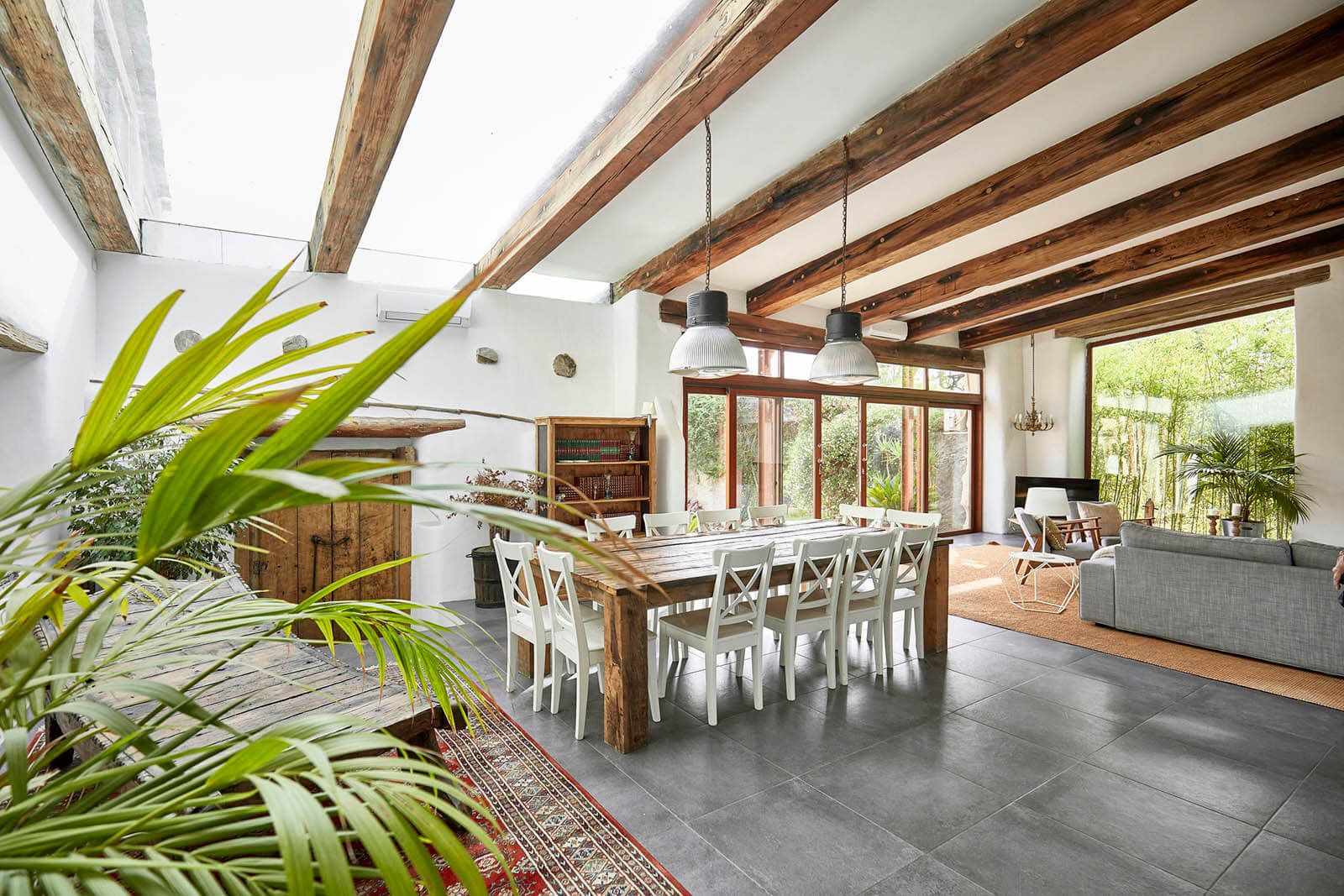
The home itself is a plantation-style classic, originally built in 1942 and upgraded in 2011. It features two bedrooms, vaulted wood-beamed ceilings, generous indoor-outdoor living, and two vantage points to take in the ocean: a shaded lanai for gatherings, and a rooftop deck for 360° views. There’s also a separate studio ohana with a private spa.
Even better? The adjacent vacant lot is also for sale, giving buyers the chance to create a true oceanfront compound at greater than 1.5 acres.
📹 Watch the full video tour of 210 Hauoli here: https://youtube.com/shorts/i6ePkasj0bU
Contact REALTOR® Benjamin Finnerty
📞 Phone: (808) 481-9748
✉️ Email: benjamin@the808team.com
🌐 Website: benjamin.the808team.com